Zigil-jabâl
Zigil-jabâl is a Dwarven mining-hold in the White Mountains during the late Third Age. It is associated with stonecraft, mineral wealth, and gem-working. Zigil-jabâl is closely tied to the trade networks of the Longbeards, maintaining active exchange with other Dwarven settlements such as Zudrugund and Kechel. Its mines and halls require frequent reinforcement, making them known to request skilled stonemasons and structural repairs.
At some point in the later Third Age, parts of Zigil-jabâl became hazardous. The Forbidden Halls is an area of Zigil-jabâl so dangerous that it was eventually sealed and abandoned after the loss of Dwarves within. Despite these dangers, trade and mining continued for many years afterwards.
Zigil-jabâl is known for its wealth in stone and gems. Waggon-trains carrying unearthed stone and fine gem-stones travel between it and other Dwarven holds, and its craftsmen are regarded as capable of working precious materials to a high standard. Dwarves from Zigil-jabâl are active participants in wider Dwarven commerce, and its output warrants concern when its operations are disrupted.
By the time of the War of the Ring, Zigil-jabâl remains inhabited, though its population and workforce appear to have diminished. Dwarves such as Herluf and Fúni Gem-cutter have ties to the hold, and it continues to be regarded as a home by those who dwelt or had once dwelt there.
Zigil-jabâl has also became a point of indirect influence for Saruman, who has exploited his long-standing reputation among the Dwarves to gather maps and lore concerning Dwarven mines and underground passages, including those connected to Zigil-jabâl.
Maps
-
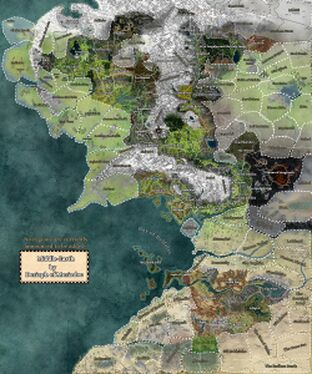 Zigil-jabâl is not currently announced to be added to the game.

| Regions within the Land of Unannounced Lands
| ||
|---|---|---|
| Abaníssa • Andrast • Aradûn • Barding-lands • Dôm Fálesh • Dorwinion • Drúwaith Iaur • East Bight (Vidubárg)• Emyn Beraid (Tower Hills) • Emyn Muil • Ered Cernin • Eryn Vorn • Ettendales • Far Downs • Fields of Celduin • Forodwaith • Grey Havens (Mithlond) • Gûl Sakhâsha (Zâg Pharim) • Harad Waste • Himling • Kechel • Khand • Khôn-khaigu • Lâkhedin • Lindon (Forlindon (Forlond), Harlindon (Harlond)) • Lírkha • Lithlad • Middle Mirkwood • Minhiriath • The Narrows • Nindalf • Northern Ered Luin • Nurn (Sea of Núrnen • Thaurband) • Ordâkh • Rhudaur • Rhûn • Silapesh (Lakíri) • Southern Enedwaith (Lond Daer Enedh) • Southern Gondor (Harondor/Damarzâg) • Southfarthing of the Shire • Tolfalas • West-march • Western Enedwaith • Yâd Hakar • Zigil-jabâl |